
The right audio setup can completely change the way you experience music, movies, games, podcasts, and even everyday phone calls. Whether you want deep, immersive sound at home or a convenient pair of headphones for your daily commute, there are more audio options available than ever before.
With so many headphones, earbuds, portable speakers, and other audio accessories on the market, choosing the right setup can feel overwhelming. Features such as wireless connectivity, noise cancellation, battery life, portability, and sound quality can all influence your decision.
The good news is that you do not need to be an audio expert to find equipment that works for you. By thinking about how, where, and when you listen, you can create an audio setup that matches your lifestyle and your budget.
Here are some of the most important things to consider when building your perfect audio setup.
Start With How You Listen
Before comparing specific audio products, think about how you normally listen to music or other content.
Do you mostly listen while commuting? Are you looking for something to use while exercising? Do you want better sound for your desk or home entertainment area? Maybe you need a portable setup that can move easily between different rooms.
Your listening habits can help determine which type of audio equipment makes the most sense.
Someone who travels frequently may value compact wireless earbuds and long battery life. Someone who works from home may prefer comfortable over-ear headphones. If you enjoy entertaining friends or listening to music around the house, a portable Bluetooth speaker may be more useful.
Starting with your daily routine makes it easier to narrow down your choices.
Choosing Between Headphones and Earbuds
One of the first decisions you may need to make is whether you prefer headphones or earbuds.
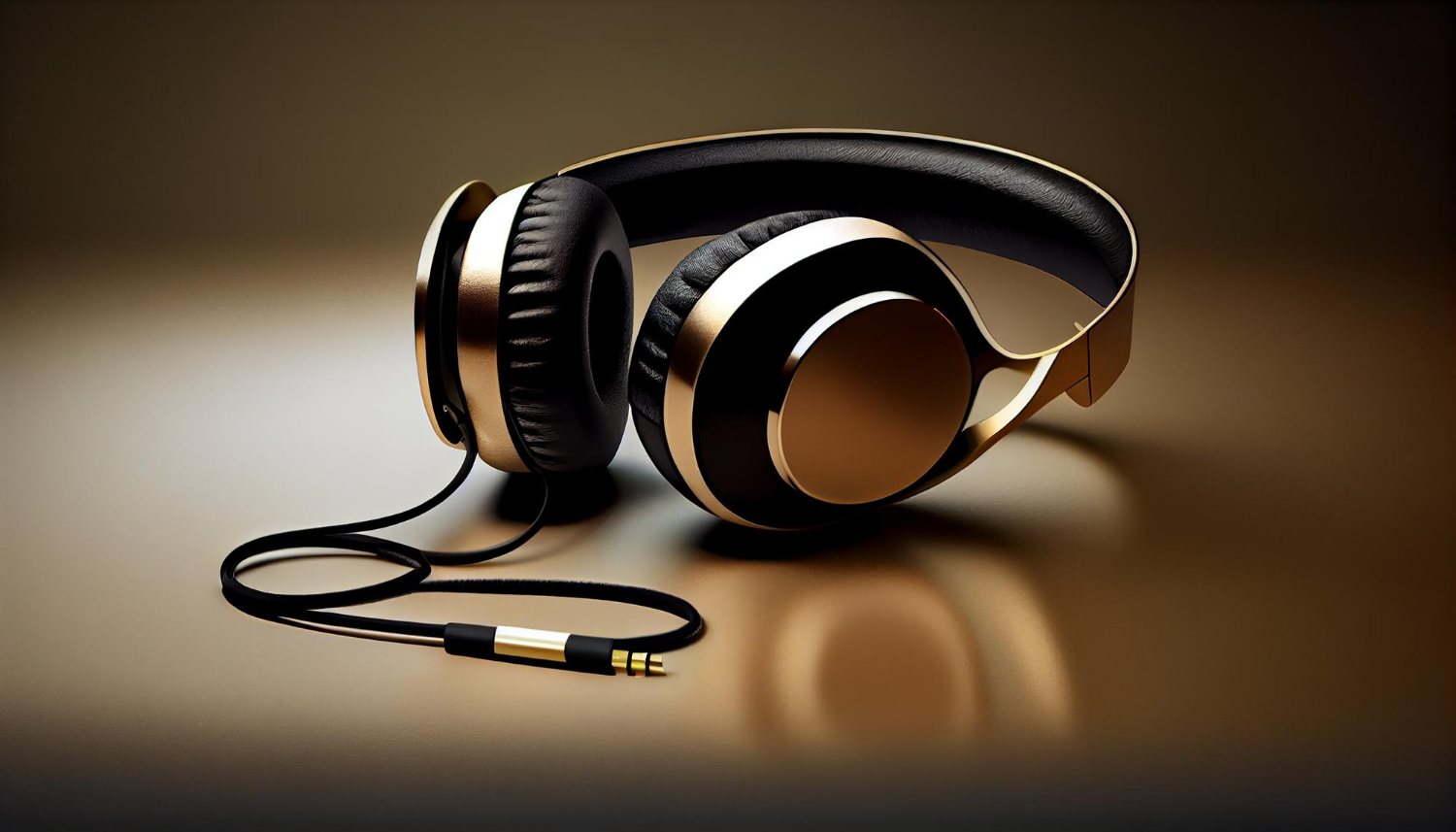
Over-ear headphones sit around your ears and can provide a comfortable, immersive listening experience. Their larger size allows manufacturers to use larger drivers, which can help produce powerful sound.
They are a popular choice for gaming, working, traveling, and listening to music at home.
Earbuds are smaller and more portable. Wireless earbuds can easily fit in a pocket or bag, making them convenient for commuting, exercise, and everyday use.
Neither option is automatically better.
If you prioritize portability, earbuds may be your best choice. If you want maximum comfort during long listening sessions or a more immersive sound experience, over-ear headphones may be worth considering.
Some people keep both options available and use them for different situations.
Wired or Wireless?
Wireless audio has become incredibly popular because of its convenience.
Bluetooth headphones, earbuds, and speakers allow you to listen without worrying about cables. This can be especially helpful while traveling, exercising, cleaning, or moving around the house.
Wireless products do require regular charging, so battery life becomes an important consideration.
Wired audio still has advantages as well.
Wired headphones do not normally require charging and can provide a simple, reliable connection. They can also be useful for desktop computers, gaming systems, audio equipment, and other devices with compatible audio ports.
Your ideal choice depends on your priorities.
If freedom of movement matters most, wireless is difficult to beat. If you prefer simplicity and do not want to think about battery levels, wired audio may still be a great option.
Consider Noise Cancellation
Noise cancellation can be extremely useful if you frequently listen in busy environments.
Active noise-canceling headphones and earbuds use technology designed to reduce outside sounds, such as airplane noise, conversations, traffic, or background sounds in an office.
This can help you focus on your music, podcast, or movie without constantly increasing the volume.
Noise cancellation is especially popular among travelers and commuters.
However, you may not need it if you mainly listen in quiet environments. Products with advanced noise cancellation can also be more expensive, so consider whether you will actually use the feature before paying extra for it.
Some wireless audio devices also include transparency or ambient modes, which allow you to hear more of your surroundings when needed.
Finding the Right Portable Speaker
Headphones are great for personal listening, but sometimes you want to share your music. That is where portable speakers come in.
Bluetooth speakers are available in many different sizes. Small speakers can be easy to carry while traveling, while larger portable models may provide stronger bass and higher volume.
Think about where you plan to use the speaker.
For outdoor use, durability and water resistance may be important. For home use, you may care more about sound quality, battery life, or design.
Battery life should also be considered if you plan to use your speaker away from an outlet.
A portable speaker with long battery life can be useful for picnics, backyard gatherings, camping trips, beach days, or simply moving your music from room to room.
Think About Sound Quality
Sound quality is personal.
Some listeners prefer strong bass, while others want a more balanced sound. Some enjoy clear vocals, while others prioritize detailed instrument separation.
There is no single sound profile that works perfectly for everyone.
When comparing audio equipment, consider the type of content you listen to most often.
Bass-heavy music may sound better to you on equipment that emphasizes lower frequencies. Podcasts and audiobooks benefit from clear vocals. Gaming may benefit from accurate directional sound.
Many modern wireless headphones and speakers also include equalizer settings through companion apps. These settings can let you adjust bass, mids, and treble to create a sound profile that better matches your preferences.
Comfort Matters More Than You Think
Sound quality is important, but comfort should not be overlooked.
A great pair of headphones will not be very useful if you cannot wear them comfortably for more than a few minutes.
For over-ear headphones, consider the padding around the ear cups, headband design, overall weight, and clamping pressure.
For earbuds, look at the available ear tip sizes and fit.
A secure fit is particularly important if you plan to exercise while wearing earbuds.
Comfort becomes even more important for people who listen for hours at a time while working, traveling, gaming, or studying.
Pay Attention to Battery Life
Battery life is one of the most important features of wireless audio products.
Depending on the product, wireless headphones and speakers may provide many hours of playback before needing to be recharged.
Wireless earbuds often include charging cases that can recharge the earbuds multiple times while you are away from an outlet.
Think about how long you typically use your audio equipment during the day.
If you regularly travel or spend long periods away from power outlets, longer battery life can make your experience much more convenient.
Fast charging can also be helpful. Some devices can provide several hours of playback after only a short charging session.
Build an Audio Setup for Your Desk
If you spend a lot of time working or studying at a desk, your audio setup deserves some attention.
A comfortable pair of headphones can help you focus and enjoy music without disturbing others.
You may also want a compact speaker for times when headphones are not necessary. Consider adding a headphone stand or charging station to keep your equipment organized.
If you frequently participate in video calls, look for headphones or earbuds with built-in microphones.
Creating a dedicated desk setup makes it easier to keep your audio equipment charged, organized, and ready to use.
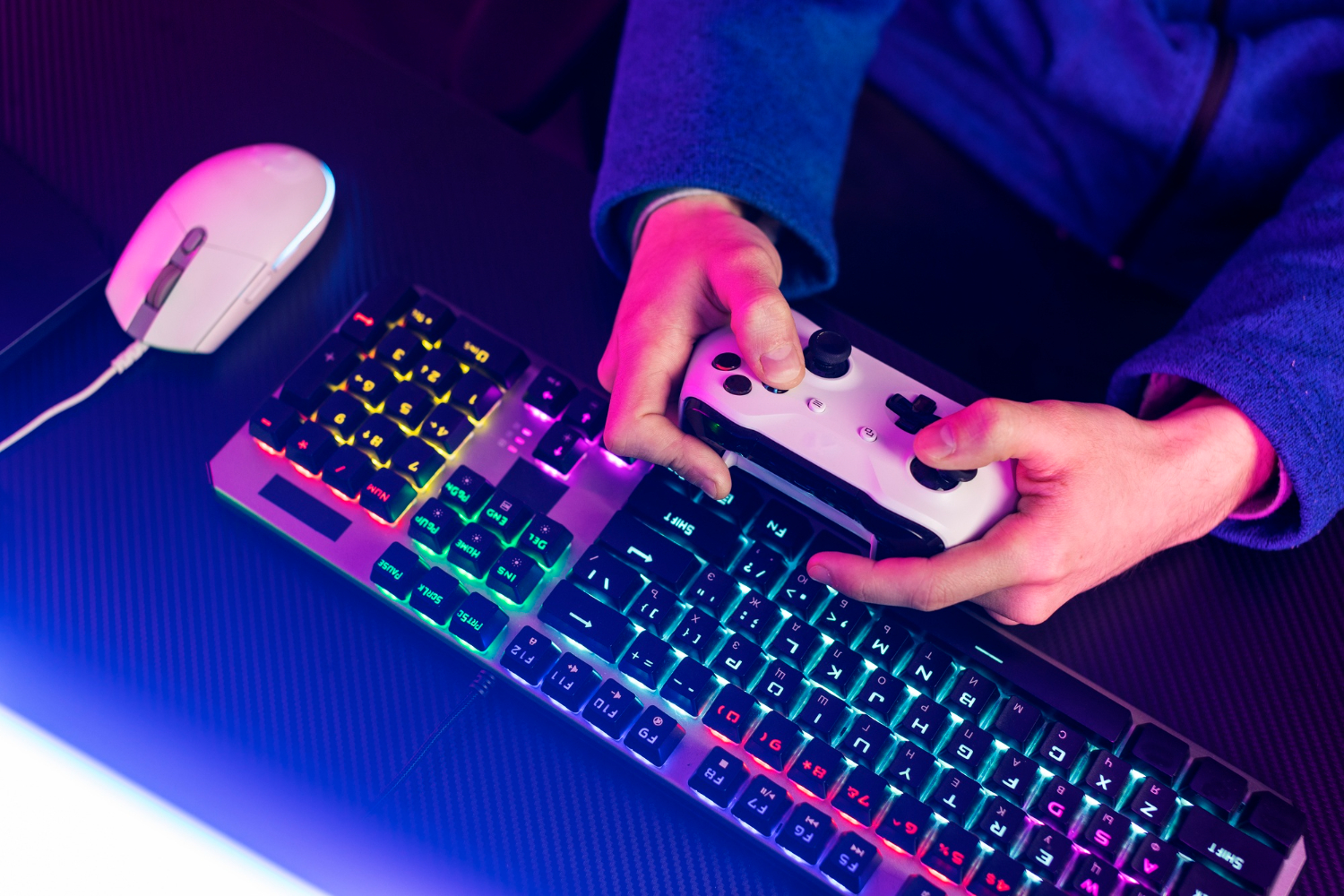
Think About Your Gaming Audio
Gaming has its own audio requirements.
A good gaming headset can help you hear dialogue, music, environmental sounds, and directional audio.
Comfort is particularly important during longer gaming sessions.
A built-in microphone can also make communication easier during multiplayer games.
Before choosing a gaming headset, check compatibility with your console, computer, or mobile device. Some headsets work across multiple platforms, while others may be designed for specific systems.
Wireless gaming headsets can provide additional freedom, while wired models eliminate the need to worry about battery life.
Create a Travel-Friendly Audio Kit
Travel is another situation where the right audio equipment can make a major difference.
A compact pair of wireless earbuds is easy to carry and can provide entertainment during flights, train rides, or long drives.
Noise-canceling headphones can also be valuable in busy airports or crowded transportation.
Consider carrying a portable charger as part of your travel setup so you can recharge headphones, earbuds, and other devices while away from an outlet.
A compact Bluetooth speaker can also be useful once you arrive at your destination.
The goal is to choose portable products that provide plenty of functionality without taking up too much space in your bag.
Look for Useful Features
Modern audio equipment often includes additional features that can improve convenience.
Multipoint Bluetooth connections may allow headphones to connect to more than one device. Touch controls can make it easier to adjust volume or change tracks. Built-in microphones can support phone calls and virtual meetings.
Some devices include voice assistant compatibility, customizable equalizers, water resistance, or automatic pause functions.
These features can be helpful, but avoid paying for technology you do not expect to use.
Focus first on sound, comfort, battery life, and compatibility. Additional features should make your experience better rather than simply making a product appear more advanced.
Match Your Audio Gear to Your Budget
A great audio setup does not have to be extremely expensive.
Instead of purchasing the most premium option available, identify the features that matter most to you.
You may decide that excellent battery life is more important than advanced noise cancellation. You might prefer a durable portable speaker instead of a larger home audio system.
Establishing a budget before shopping can make it easier to compare products without becoming distracted by unnecessary features.
You can also build your audio setup gradually.
Start with the product you will use most frequently and add other equipment as your needs change.
Final Thoughts
Finding your perfect audio setup is all about matching technology to your lifestyle.
Headphones can provide immersive personal listening, earbuds offer portability, and Bluetooth speakers make it easy to share your favorite audio wherever you go. Additional features such as noise cancellation, wireless connectivity, long battery life, and water resistance can make your setup even more convenient.
The best audio equipment is not necessarily the most expensive or feature-packed option. It is the equipment that works naturally with the way you listen.
Think about where you will use your audio gear, what features matter most, and how much you want to spend. From a simple pair of wireless earbuds to a complete home and travel audio collection, the right setup can make music, entertainment, gaming, and everyday listening more enjoyable wherever life takes you.